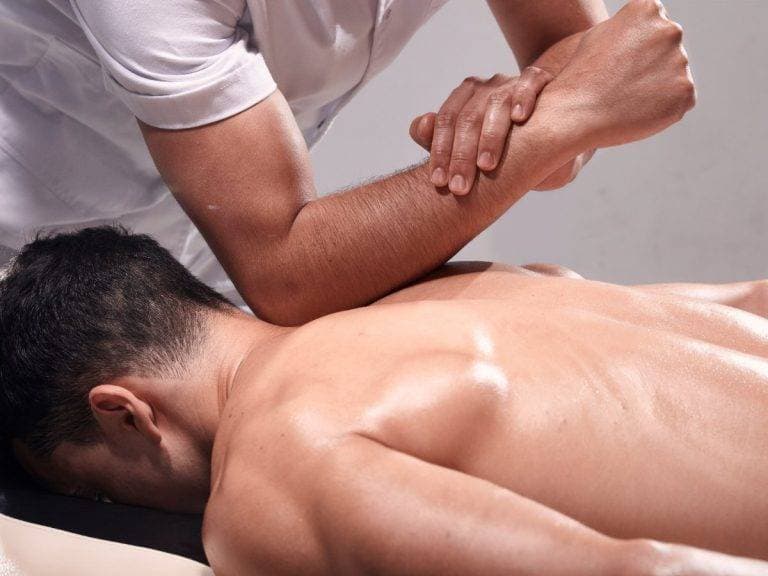
Sports massage reliably produces two things: a short-term reduction in perceived muscle soreness and tightness, and a short-term improvement in range of movement. Those are real, they matter, and they are usually why people book.
It is worth being straight about the rest, because the industry generally is not. The evidence that sports massage improves athletic performance, prevents injury, or meaningfully speeds recovery from delayed-onset muscle soreness is weak. It does not “flush out lactic acid” — lactate clears within roughly an hour of stopping exercise regardless of what anyone does to your legs. It does not break down scar tissue or physically lengthen muscle in the way the language suggests.
None of that makes it worthless. It makes it a genuinely useful adjunct rather than a treatment in its own right. Feeling looser and less sore is what lets you train, move and complete the rehabilitation that produces the lasting change — and that is exactly how it is used here.
How this differs from a sports massage elsewhere
Most sports massage in Bolton is delivered by massage therapists. They are often skilled at it, and for straightforward maintenance work that is a perfectly reasonable choice at a lower price.
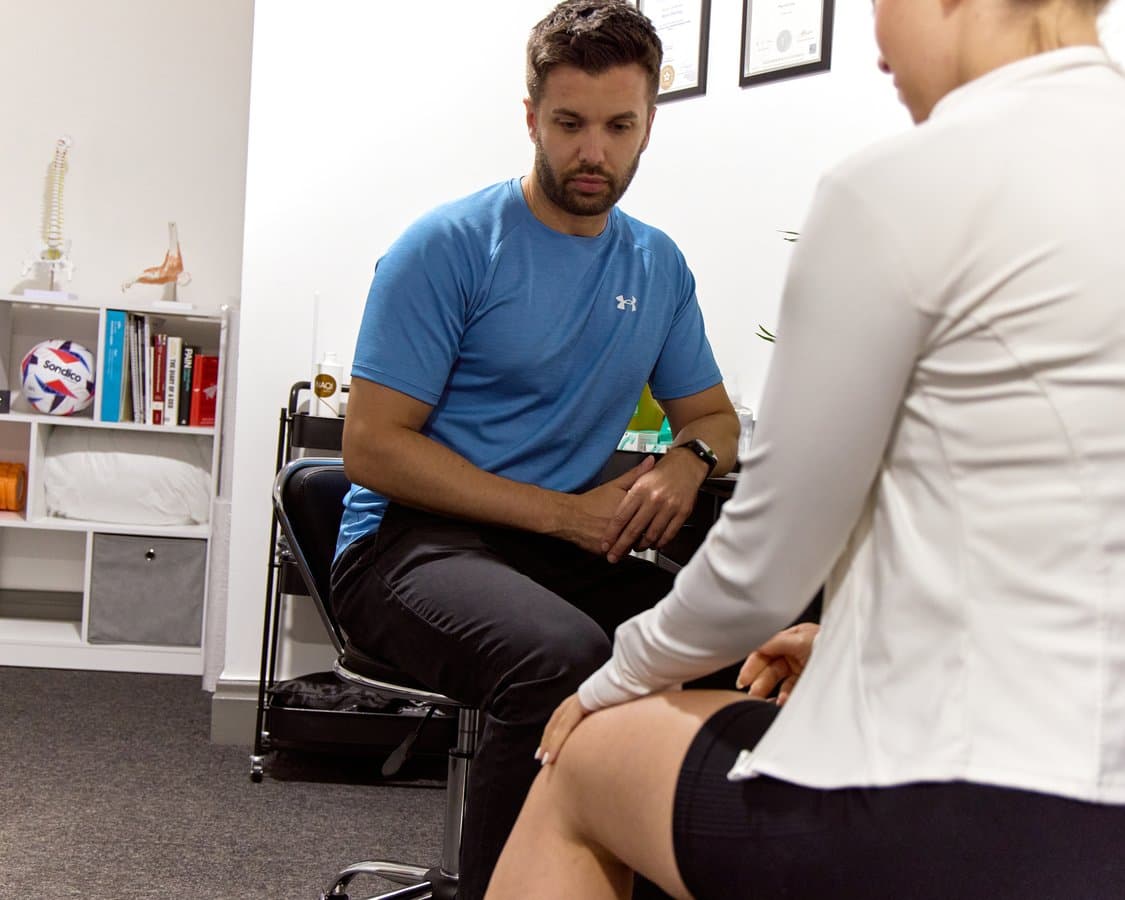
The difference here is diagnostic. Every session starts with a physiotherapist working out whythe tissue is behaving that way. Persistently tight hamstrings are often a symptom of something else — a stiff hip, a weak posterior chain, an old ankle injury changing how you load the leg, occasionally referred pain from the lumbar spine. Massaging the symptom every three weeks manages it. Finding the driver ends it.
It also means that if what you have turns out not to need massage at all, you will be told so, and treated for what you actually have — whether that is hip pain, sciatica or something needing structured rehabilitation.
Pre-event, post-event and maintenance
- Pre-event— short, brisk, stimulating, shortly before competing. Do not book a deep session the day before a race: heavy work on unaccustomed tissue can leave you sore for 24 to 48 hours, which is the opposite of what you want.
- Post-event— lighter and more general, in the day or two afterwards. Comfortable and pleasant; the evidence that it materially speeds recovery is thin, so treat it as recovery you enjoy rather than a performance intervention.
- Maintenance— the one with the most practical value. Regular sessions through a training block, used to keep on top of the areas that habitually give you trouble, and to catch a developing problem while it is still small.
Who it suits, and who should have something else
It suits runners, cyclists, gym and team-sport athletes managing training load; desk-based workers with persistent neck, shoulder and upper-back tightness; and anyone using it alongside a rehabilitation programme.
It is the wrong first choice if you have pain that is sharp, worsening, or radiating down a limb; numbness, pins and needles or weakness; pain following a significant injury; or swelling and bruising in the first 48 hours. Those need assessment first. Book an MSK assessment instead and, if hands-on work is appropriate, it will form part of the treatment.